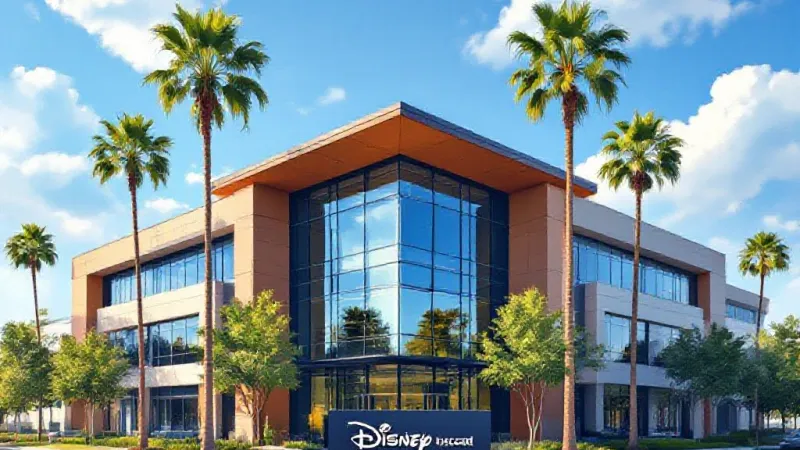
CEO Josh D’Amaro has informed shareholders that Disney plans to invest billions more in its theme parks, describing it as “the largest capital investment plan in Disney Experiences history.” Recent announcements at the D23 Expo by Disneyland officials include new investments such as Avengers-themed attractions, a Coco ride, and a major update to Tomorrowland.
Unlike its sister property, Walt Disney World Resort in Florida, which controls approximately 25,000 acres, Disneyland is landlocked. The resort opened in 1955 on 160 acres and has since grown to about 490 acres, encompassing two theme parks, three hotels, the Downtown Disney shopping district, and other properties. However, it is largely surrounded by motels, businesses, homes, and city streets, necessitating creative solutions to accommodate new attractions, hotels, and entertainment within its existing Anaheim footprint.
This Cypress acquisition appears to be part of Disney’s ongoing strategy to buy or lease properties outside the theme park’s immediate boundaries to support its operations. This strategy is also linked to DisneylandForward, the development plan approved by Anaheim in 2024. As part of this initiative, Disney is committed to investing at least $1.9 billion over the initial 10 years in new attractions, hotels, entertainment, shopping, and dining at the resort. DisneylandForward’s rezoning of Disney’s properties for mixed-use allows Imagineers greater flexibility to combine different uses across the resort. While Disney has not directly stated that the Cypress acquisition is linked to DisneylandForward, it aligns with this broader strategy.
Previous real estate investments by Disney include a $48 million purchase in 2014 for 13 acres across Harbor Boulevard from CT Realty Investors, and the following year, a $32 million acquisition of the neighboring former Carousel Inn and Suites from Wincome Group. At the time, Disneyland officials cited the need for more infrastructure like warehouses, offices, and parking due to increased visitors and employees. These properties are now being redeveloped as part of Disneyland’s Eastern Gateway project, with demolished buildings making way for an eight-story parking structure and a pedestrian bridge.
In January 2025, Disney made another substantial real estate investment, paying $124 million for two industrial buildings in Anaheim that it had previously leased to store equipment like parade floats and seasonal decorations. These acquisitions underscore Disney's consistent need for off-site operational space.
The Cypress deal marks the end of Yamaha Motor USA’s nearly half-century presence in the city. Yamaha Motor USA officials attributed their move to the high cost of doing business, influenced by tariffs and changing market conditions. The company had laid off at least 58 employees earlier this month, with around 200 to 250 employees once based at the campus. Yamaha’s former USA motor campus at 6555 Katella Avenue occupied an entire city block. The company, which acquired the property in 1978, is relocating its remaining Cypress operations to Kennesaw, Georgia. Yamaha Motor officials also noted that a leaseback agreement has been signed through the end of 2028, indicating that Disney’s immediate use of the property is not imminent.
While Disney officials did not disclose which specific operations might move to Cypress or the number of employees the buildings would house, the acquisition provides significant space as Disneyland anticipates a new generation of growth and expansion. As Walt Disney himself envisioned, Disneyland was intended to continuously evolve and expand.