
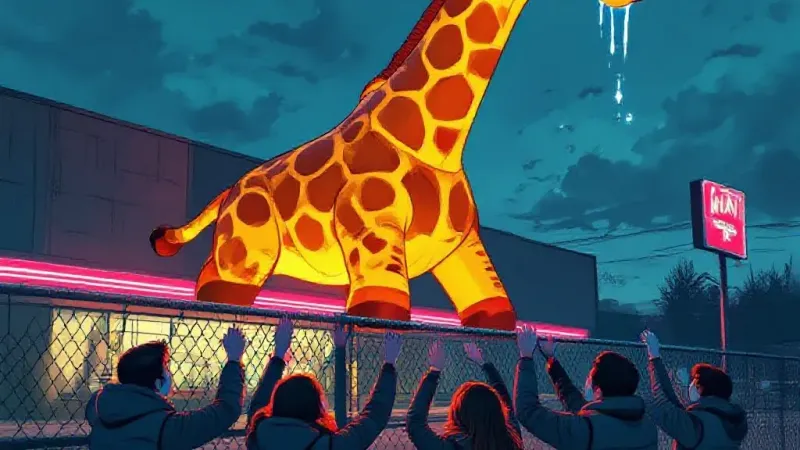
HARTFORD—In a triumphant display of vulture capitalism parading as holiday cheer, Toys "R" Us announced the grand return of its beloved brand to Connecticut this week through a series of aggressively temporary pop-up shops.
Local thirty-somethings, whose collective souls were vacuumed out years ago by stagnant wages, rising interest rates, and the grim realization that they will never own property, reportedly wept openly near the display of overpriced plastic action figures. According to corporate stakeholders, the pop-up model allows the company to capitalize on pure, unfiltered childhood trauma without the pesky overhead of maintaining physical infrastructure, paying a living wage, or offering health insurance to teenage cashiers.
"We looked at a generation of exhausted adults trapped in a permanent economic doom-spiral and asked ourselves, 'How can we monetize their desperate longing for a simpler time when their biggest worry was whether their parents would buy them a Nintendo 64?'" said regional vice president of experiential grief exploitation Marcus Vance. "The answer was simple: put four shelves of imported plastic garbage inside the corner of a department store that smells like damp carpet, slap a Geoffrey the Giraffe logo on the wall, and watch them empty their checking accounts to chase a ghost."
Witnesses at the opening day in West Hartford described a haunting scene. Grown men with bad posture and chronic lower back pain stood silently in front of aisles of branded merchandise, staring blankly at boxed board games they could have purchased on Amazon for half the price, but choosing instead to buy in-person for the hollow thrill of handing a credit card to a teenager who looked like she wanted to walk into the path of an oncoming delivery truck.
The pop-ups, strategically designed to evoke the cathedral-like scale of the original big-box stores while offering roughly four percent of the inventory, feature all the classic touchpoints consumers remember. There is the overwhelming scent of mass-produced PVC, the blinding fluorescent lighting that triggers immediate cortisol spikes, and the crushing realization that happiness is a consumer product that went out of business in 2018.
"I came here because my therapist said I need to reconnect with my inner child," said local resident Sarah Jenkins, 34, clutching a $45 plush dog while checking her banking app with a look of sheer terror. "My inner child told me that if we don't buy this stuffed animal right now, the crushing void inside our chest will never close. Then I remembered I have to choose between this and filling my prescription for generic antidepressants. I picked the dog. It doesn't judge me when I cry into its polyester fur."
Corporate analysts predict the pop-up strategy will generate millions in short-term revenue, proving once again that no American institution is ever truly dead so long as a private equity firm can figure out how to skin its corpse and sell tickets to the wake.
As the afternoon wore on, the lines grew longer, wrapping around the perimeter of the mall parking lot like a migration of cattle heading willingly toward an upscale slaughterhouse, eager to spend money they don't have on items they don't need, all for the fleeting privilege of remembering what joy felt like before the world broke permanently.