
Boston—In what is being hailed as a watershed moment for modern neurology, a peer-reviewed study published Monday revealed that a universally available, zero-cost chemical compound known locally as "sustained unconsciousness" dramatically enhances cognitive performance, memory retention, and overall brain function.
The study, conducted by the Consortium for Groundbreaking Realizations, tracked thousands of subjects who spent roughly a third of their lives engaging in an ancient, unmonitored practice where they lay completely still in a darkened room with their eyes shut. Researchers noted a staggering uptick in neural connectivity, sharply contrasting with the control group, who spent their nights scrolling through glowing rectangles while consuming synthetic caffeine products shaped like gummy bears.
"We were genuinely stunned," said lead researcher Dr. Harold Vance, adjusting his glasses while standing next to a whiteboard that simply said *DO NOT DIE OF EXHAUSTION*. "For years, the wellness industry has poured billions into proprietary nootropics, liquid chlorophyll infusions, and pulverized deer antlers imported from black-market farmyards. Yet, our data strongly indicates that if you simply power down your biological hardware for seven to nine consecutive hours, your brain stops leaking thoughts out of your ears."
According to the findings, the supplement—scientifically designated as *dormancy*—requires no recurring credit card charge, features zero branded merchandise, and cannot be optimized by a productivity influencer on LinkedIn. Subjects who utilized the compound reported an immediate drop in executive dysfunction, an astonishing ability to remember where they put their keys, and a sudden, terrifying awareness of how poorly they treat their physical bodies over the course of a standard corporate workweek.
Despite its proven efficacy, venture capitalists have already expressed deep skepticism regarding the market viability of the discovery. "Look, if people can just acquire this compound for free by lying down on a mattress they already own, where is the recurring revenue?" asked venture capitalist Chad Sterling during an emergency investor webinar. "There's no powder to shake. There's no QR code to scan. If we can't fractionalize the molecule and sell it to remote software engineers in a matte-black pouch with a menacing font, is it even wellness?"
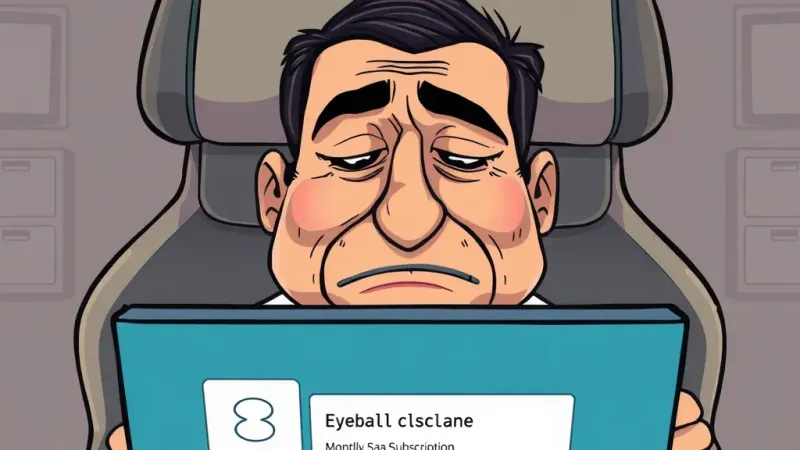
Sterling’s firm has already announced plans to acquire exclusive atmospheric rights to the dark, quiet bedroom space, intending to rebrand the process as "REM-State Optimization™" and charge a modest monthly platform fee of $299 for the privilege of closing one's eyelids. Under the proposed model, users who attempt to utilize the compound without an active subscription will experience targeted ad interruptions broadcast directly into their lingering subconscious thoughts.
Meanwhile, major supplement manufacturers have scrambled to mitigate the fallout from the study. Industry leaders held an emergency crisis meeting to discuss how to discredit sleep before it destroys the trillion-dollar anxiety-and-focus industrial complex. Early proposals include launching an aggressive counter-campaign framing unconsciousness as an outdated, high-risk biological vulnerability that causes premature aging if not counterbalanced by an aggressive stack of synthetic adaptogens and expensive electrolyte packets.
"Think about the economy," warned wellness executive Brenda Halloway. "If everybody starts getting eight hours of rest, who is going to buy our $80 focus-blend mushroom dust? Who is going to stay up until 3 AM reading corporate Slack channels and spiraling about their retirement trajectory? This study is economically irresponsible and borders on industrial sabotage."
At press time, researchers were reportedly preparing a follow-up study to investigate whether a secondary, equally radical intervention known as "drinking a glass of water when you are thirsty" might have similarly disruptive implications for the healthcare sector.