LONDON—In a sweeping victory for both environmental sustainability and crushing economic reality, a new study published this week by researchers at King’s College London has confirmed that human beings have been foolishly throwing away the most delicious, nutrient-dense parts of their food for centuries, such as dirt, rinds, husks, and the cardboard boxes they came in.
The research, which finally provides a scientific justification for why grocery bills now cost more than a used sedan, urges consumers to adopt a strict root-to-tip dietary model. According to lead researchers, households can slash their weekly food expenditures by up to four percent simply by chewing aggressively on avocado pits, gnawing on raw onion roots, and incorporating local lawn clippings into their morning smoothies.
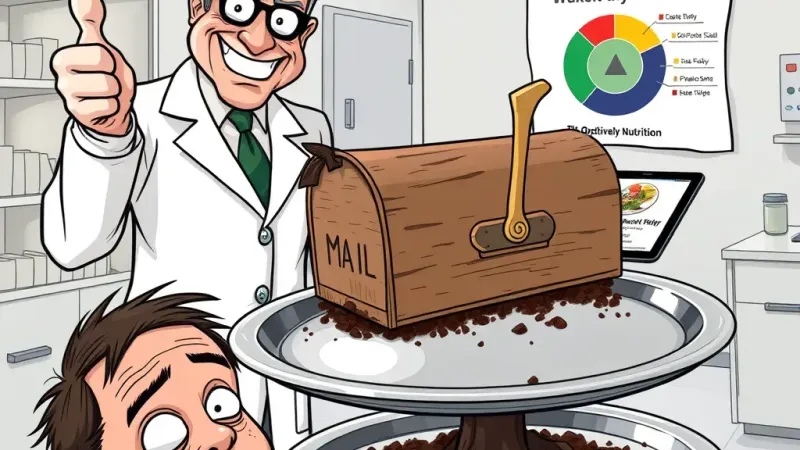
For too long, modern society has been spoiled by the luxury of peeling things, said lead nutritional scientist Dr. Arthur Vance, adjusting his glasses while looking at a spreadsheet that clearly outlined the looming collapse of the middle class. Why discard the fibrous outer husk of a coconut when you could easily fracture a molar trying to digest it? That is pure, unadulterated dietary fiber. Or, as we like to call it in the lab, free roughage for peasants.
The study notes that millions of households routinely commit the culinary sin of discarding banana peels, apple cores, potato skins, and the plastic film seal on microwavable dinners—all of which contain vital minerals that the human body neither needs nor can process. By integrating these previously discarded items back into the culinary ecosystem, consumers can unlock a world of hitherto unknown gastrointestinal distress.
Culinary influencers have already begun embracing the trend, posting viral TikTok videos of themselves boiling old sofa stuffing into a rich, savory broth. The movement, locally dubbed poverty chic, has quickly gained traction among venture capitalists who enjoy pretending they live through the Great Depression for aesthetic purposes.
I haven't eaten a de-stemmed broccoli floret in months, said lifestyle blogger and trust-fund beneficiary Chloe Sterling, filming herself while aggressively masticating a raw corn husk. My body feels cleansed. My gut biome is essentially a pile of composting mulch, and honestly? That’s the kind of high-vibration energy you just can't buy at Whole Foods, mostly because Whole Foods is now priced exclusively for defense contractors and Russian oligarchs.
Supermarket chains are reportedly exploring new packaging methods to capitalize on the trend, including selling unwashed root vegetables completely coated in topsoil to maximize the authentic, earth-to-table experience. Industry insiders suggest that future iterations of the diet may soon encourage consumers to simply lick the delivery truck tires to capture vital road-salt minerals.
Meanwhile, economists have praised the root-to-tip revolution as a masterclass in demand-side problem-solving. By convincing the populace that eating garbage is a deliberate wellness choice rather than an emergency response to runaway inflation, corporations have successfully eliminated the need to lower food prices.
It’s brilliant, said retail analyst Marcus Thorne. We don't have to fix the supply chain, and we don't have to pay workers a living wage. We just have to convince people that gnawing on a discarded melon rind is the secret to longevity. And if they die of a perforated bowel, well, that's just one less person consuming our limited water supply.
At press time, researchers were already hard at work on a follow-up study investigating the nutritional value of rainwater collected directly from industrial parking lots.