
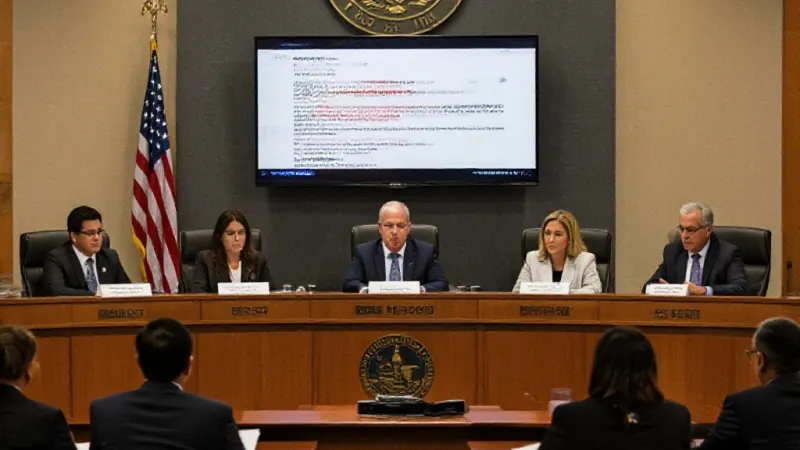
The Santa Ana City Council’s upcoming agenda includes an item proposed by Councilmember Ben Vazquez to formally recognize former Councilmember Roman Reyna for what is described as “outstanding leadership in the community.” This recognition is specifically linked to Reyna’s involvement with the Suavecito Foundation’s Youth and Government program.
However, Reyna’s past — particularly his criminal conviction for election fraud — raises significant questions about the appropriateness of such an honor. This is especially pertinent as Councilmember Vazquez is currently seeking re-election.
In 2018, Roman Reyna ran for the Ward 4 seat on the Santa Ana City Council. During his campaign, Reyna submitted nomination paperwork that falsely listed his residence. Investigators later determined that Reyna did not reside at the address he claimed, a violation of California election law. The Orange County District Attorney subsequently charged Reyna with multiple counts related to election fraud. Reyna ultimately pleaded guilty to these charges.
Public records and city statements have indicated that Reyna still owes money to the City of Santa Ana related to the penalties stemming from his conviction. This means the city is considering honoring an individual who has not completed the restitution required by his conviction, raising concerns about accountability for taxpayer funds.
Honoring a former elected official convicted of election fraud is inherently controversial. Election integrity is foundational to public trust, and Reyna’s actions directly undermined that trust. Recognizing him for community leadership while he still has outstanding financial obligations to the city sends a message that accountability may be optional.
This situation is particularly sensitive in Santa Ana, where residents have frequently voiced concerns about transparency, ethics, and the conduct of elected officials. The optics of celebrating Reyna’s community work while his criminal record and unpaid restitution are still pertinent may strike many residents as tone-deaf or politically motivated.
The timing of this agenda item is also notable as Councilmember Ben Vazquez is actively running for re-election. Any public recognition he sponsors will naturally be viewed through a political lens. The decision to honor Reyna could be interpreted in several ways, including a political calculation to secure support, an endorsement of Reyna's past actions, or a disregard for accountability.
Councilmember Vazquez’s record includes consistently aligning himself with Santa Ana officials who support reducing traditional law-enforcement authority and shifting resources away from the Santa Ana Police Department (SAPD). His positions have included questioning police budget allocations, advocating for alternative public safety models, and supporting civilian oversight of the police department.
The central question facing the City Council and residents is whether honoring a former councilmember convicted of election fraud — who still owes the city money from his misconduct — is appropriate. This situation raises legitimate concerns about judgment, ethics, and the priorities of elected officials. Key considerations for residents include the precedent set by such an honor, the message it sends to the community and youth, and the expectation of accountability for public officials.
The Santa Ana City Council’s decision to place this recognition on its agenda ensures the issue will be discussed publicly. Residents deserve transparency regarding Reyna’s past, clarity about his unpaid fines to the city, and an explanation from Councilmember Vazquez as to why this honor is considered appropriate at this moment.