
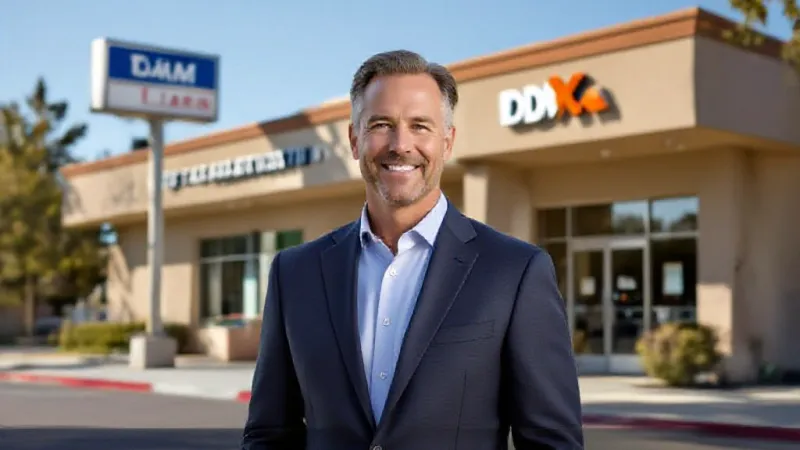
California gubernatorial candidate Steve Hilton has unveiled a proposal to abolish the state’s Department of Motor Vehicles (DMV) and cap annual vehicle registration at a flat $73. Hilton announced his plan outside the West Hollywood DMV, characterizing the agency as "a monopoly that treats taxpayers with contempt."
California's DMV currently operates as a stand-alone agency with 170 field offices, costing taxpayers $1.46 billion annually. Drivers in the state often face registration costs ranging from hundreds to over $1,000, which are attributed to value-based taxes and layered surcharges. Hilton argues that a basic $73 fee is obscured by these additional costs, contributing to California being one of the most expensive states for vehicle registration.
Across the Western United States, DMV systems exhibit wide variations. Most states in the region generally operate with lower fees, fewer surcharges, and more decentralized service models compared to California. California's DMV is widely regarded as one of the most complex and expensive in the region due to its layered fee structure, extensive physical footprint, and centralized bureaucracy. The state consistently ranks poorly for wait times and overall cost, though other states have also faced challenges with backlogs, REAL ID delays, and modernization efforts.
Hilton’s proposal includes several major structural changes aimed at addressing these issues. Political analysts often observe that frustration with the DMV is widespread and transcends party lines, suggesting that proposals to reduce fees or improve service could attract broad interest. However, experts caution that policy proposals alone rarely determine election outcomes, as voter behavior is influenced by various factors including economic conditions, statewide priorities, candidate visibility, and trust in government.
California's electorate is notably large and diverse. Public data indicates that self-identified MAGA-aligned voters constitute a small share of the statewide voting population compared to independents, moderates, and Democrats. Therefore, any candidate seeking competitiveness in a statewide race would need to secure support beyond a single ideological bloc.
Steve Hilton is known as a political commentator, a former adviser in the U.K. government, and the host of a national television program focusing on government reform and economic policy. Throughout his campaign messaging, he has emphasized cost-of-living issues, regulatory reform, and decentralization. Hilton has consistently positioned himself as a critic of large bureaucracies and high state fees, contending that California’s government has become overly expensive and inefficient for working families.
Hilton’s opponent in the gubernatorial contest is Xavier Becerra, California’s attorney general and former U.S. Secretary of Health and Human Services. According to a press release, Hilton has criticized Becerra for maintaining a low public profile and for agreeing to only one debate after earlier suggestions of multiple debates. Public records show that Becerra has focused his efforts on healthcare, consumer protection, and legal challenges involving federal policy. As is common for any candidate, public perception varies, and voters often evaluate incumbents based on their visibility, responsiveness to public concerns, and the outcomes of their policy initiatives.